NIIGATA Culture Tourism

NIIGATAOverview

Niigata is located roughly centrally along the western coast of Japan’s main island, and the prefecture extends offshore to the islands of Sado and Awashima. It is split into four regions — Joetsu, Chuetsu, Kaetsu, and Sado Island — and their landscapes are vast and diverse, with coastlines, mountains, rivers, and plains, all of which are beautiful through all four seasons. Discover stunning scenery, as well as culture, performing arts, and a local food culture all with generations upon generations of history. Niigata offers much cultural variety to experience, all in a single prefecture.

Map of Niigata Prefecture regions

Episode 1

Niigata City & Sado Island Region

movie YouTube
Sado Island Gold Mines

Sado Island Gold Mines

Sado Island has mined gold, silver, and copper mines since ancient times, and in the first half of the seventeenth century, it was home to one of the largest gold mines in the world. In July 2024, the Sado Island Gold Mines were inscribed on UNESCO’s World Heritage List.

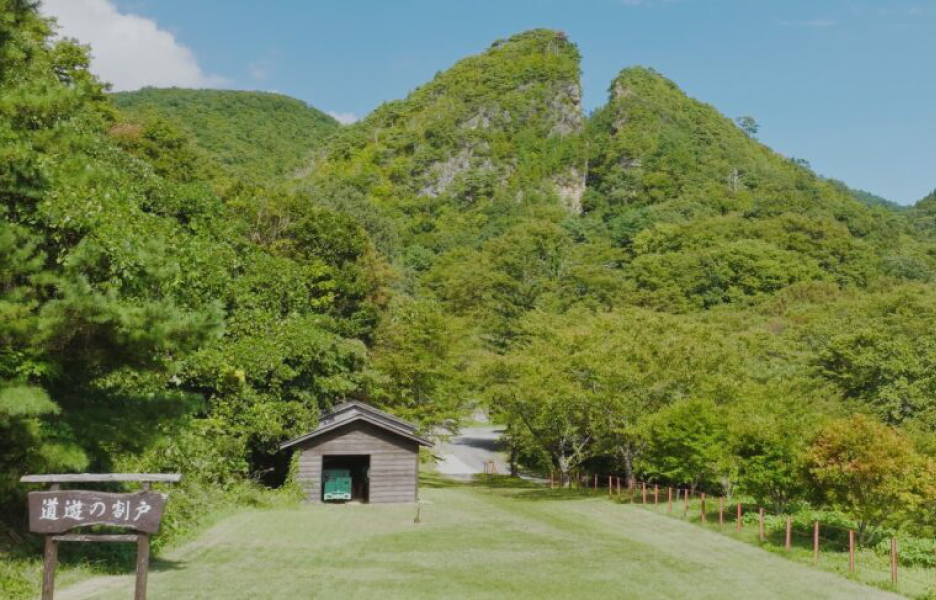
Even after mechanized mining had become the norm worldwide, Sado Island continued to produce large amounts of high-quality gold, mined by traditional unmechanised that did not rely on machines. The mines and remains here still bear witness to this local history, leading to its World Heritage designation. One of the component part, the Aikawa-Tsurushi Gold and Silver Mine, was among Japan’s largest gold and silver mines. Here, workers mined these precious metals by hand for over 250 years, from the sixteenth through mid-nineteenth centuries. At the Historic Sado Gold Mine, a portion of the mine’s tunnels are now open to the public, where visitors can see vestiges of the hand-carved mines and recreations of what mining work looked like at the time, as well as the Doyu-no-Warito Opencut Site, where a mountain appears to have been split in half by gold mining.
Onidaiko “Monster Drumming”

Onidaiko “Monster Drumming”

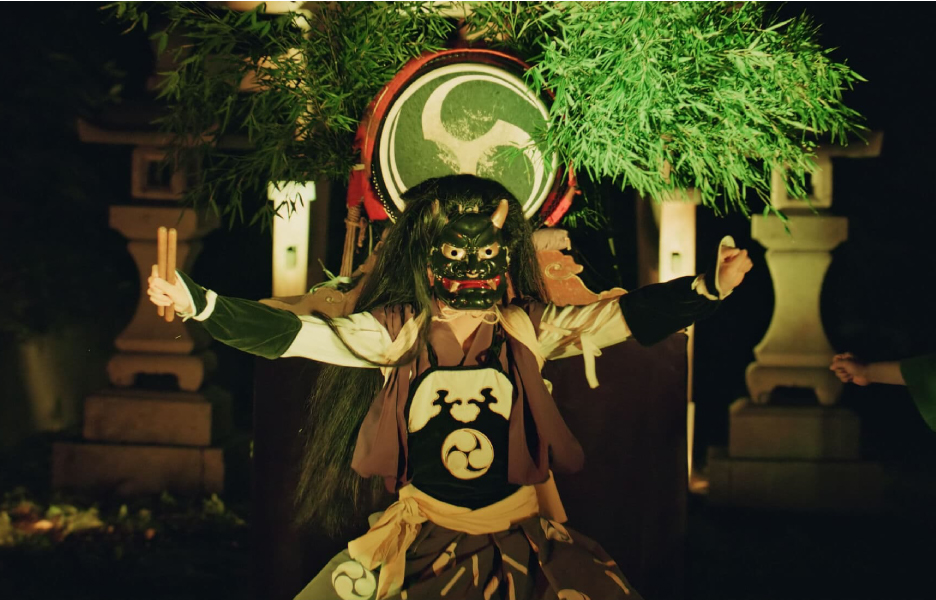
This famous traditional performing art of Sado Island has long served as a prayer for household safety and wellness, abundant harvests, and large fishing hauls. While no one truly knows its origins for certain, some say that it began with carpenters who worked in the mines, dancing with chisels in hand. The gold and silver mines’ prosperity drew people from all across Japan, who brought elements of their own regional cultures with them, leaving their collective mark on the region. This particular tradition has been passed down from generation to generation within the villages of Sado, with each village developing its own style: the basic structure of masked oni “monster” dancers alongside taiko drum performers is the same everywhere, but over the years, a great deal of variety has developed across the various dances, drumming rhythms, and oni masks and costumes. Today, there are still more than a hundred Onidaiko groups on Sado Island, and no two of them are the same. They perform in spring, summer, and autumn at village festivals, and after they drum and dance at shrines as an offering to the deities, groups will go door to door to perform it at people’s houses, as well.

Tarai-Bune Boat Rides

Tarai-Bune Boat Rides

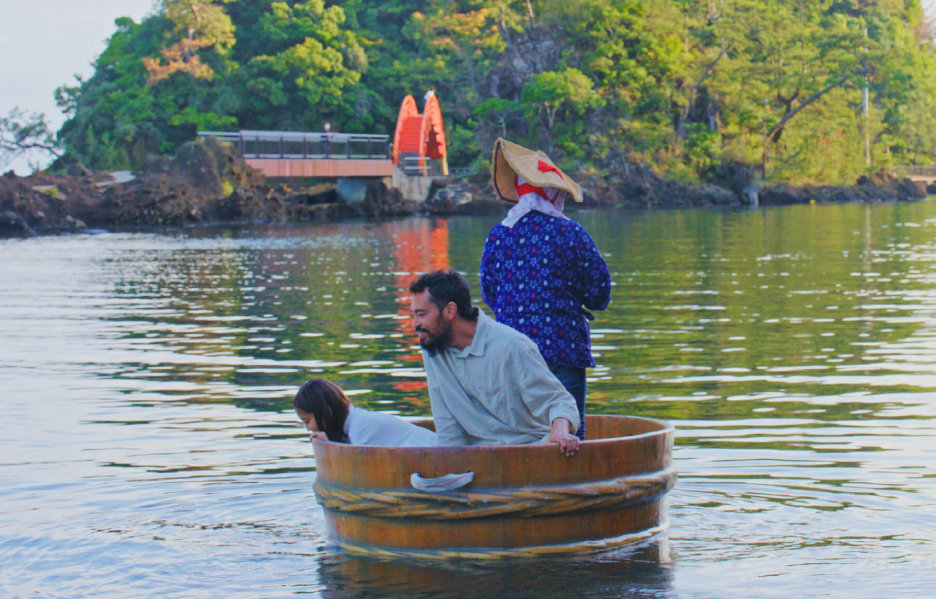
Ogi Tarai-Bune boats (literally, “tub boats”) are an iconic part of Sado’s local history, believed to date back to when the 1802 Sado-Ogi earthquake lifted up the reefs on the sea floor along the coast. This left the coastline much more jagged and complex than before, so these boats developed as a way to efficiently go about tasks like spearfishing for abalone and turban shell, or gathering sea plants. In 2007, the production techniques traditionally used to build these boats were designated an Important Intangible Folk Cultural Property of Japan. Today, visitors to Ogi Port can take a ride in a Tarai-Bune boat, masterfully piloted by a woman dressed in the traditional garb of the fishers who used these boats. There are two other places on Sado Island offering rides in these boats as well, making them a popular recommendation for a uniquely local experience for visitors; in some cases, visitors can even try rowing a Tarai-Bune boat for themselves, with an expert to provide guidance.

Northern Culture Museum

Northern Culture Museum

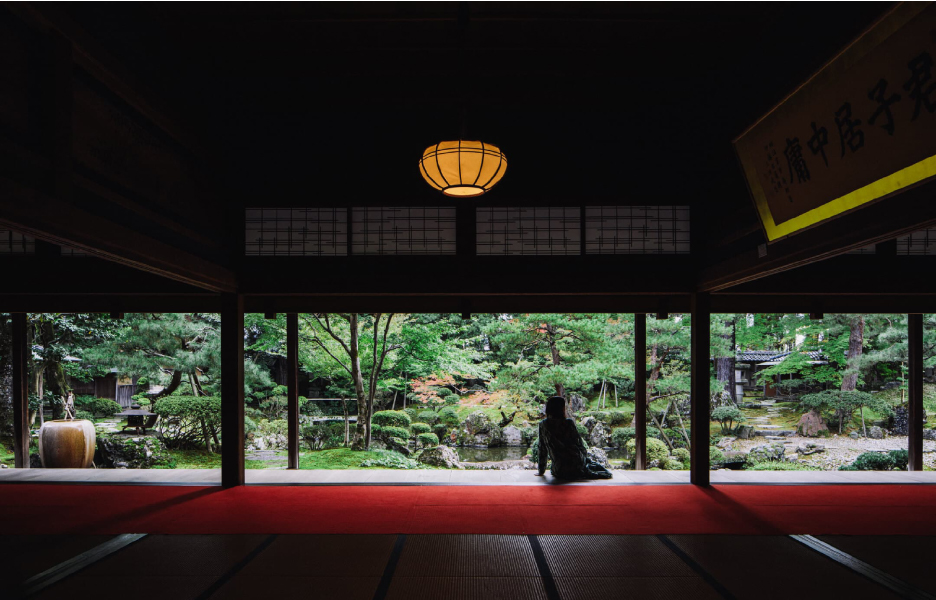
The Northern Culture Museum is located in the former residence of the Ito family, one of the wealthiest landowners in Echigo (present-day Niigata Prefecture), and offers a glimpse into the family’s history, going back to when the family was established in 1746. They began their ascent here using agriculture as a springboard in the mid-eighteenth century, when Japan was ruled by the samurai. Alongside farming, the family built their fortune through various businesses — starting with the indigo dye trade — and became one of the largest landowners in Echigo. This grand estate, completed in 1889, occupies a 29,000-square-meter grounds featuring multiple buildings, including the main house, a banquet hall, a tea house, and storehouses, with a total of 65 rooms. Major highlights of the estate include a lovely strolling pond garden, designed by the renowned master gardener Tanaka Taiami (1898–1978). In addition, the exhibits feature valuable items belonging to the Ito family, as well as pieces from their art collection. Explore these beautiful gardens and buildings inherited from wealthy farmers who once owned vast tracts of land, and enjoy the seasonal scenery of Niigata.

Furumachi Geigi

Furumachi Geigi

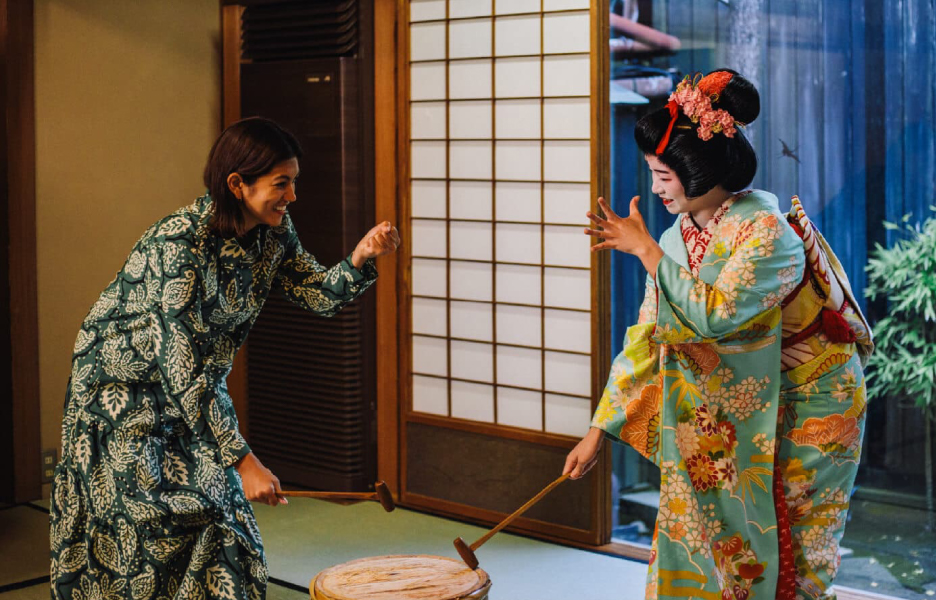
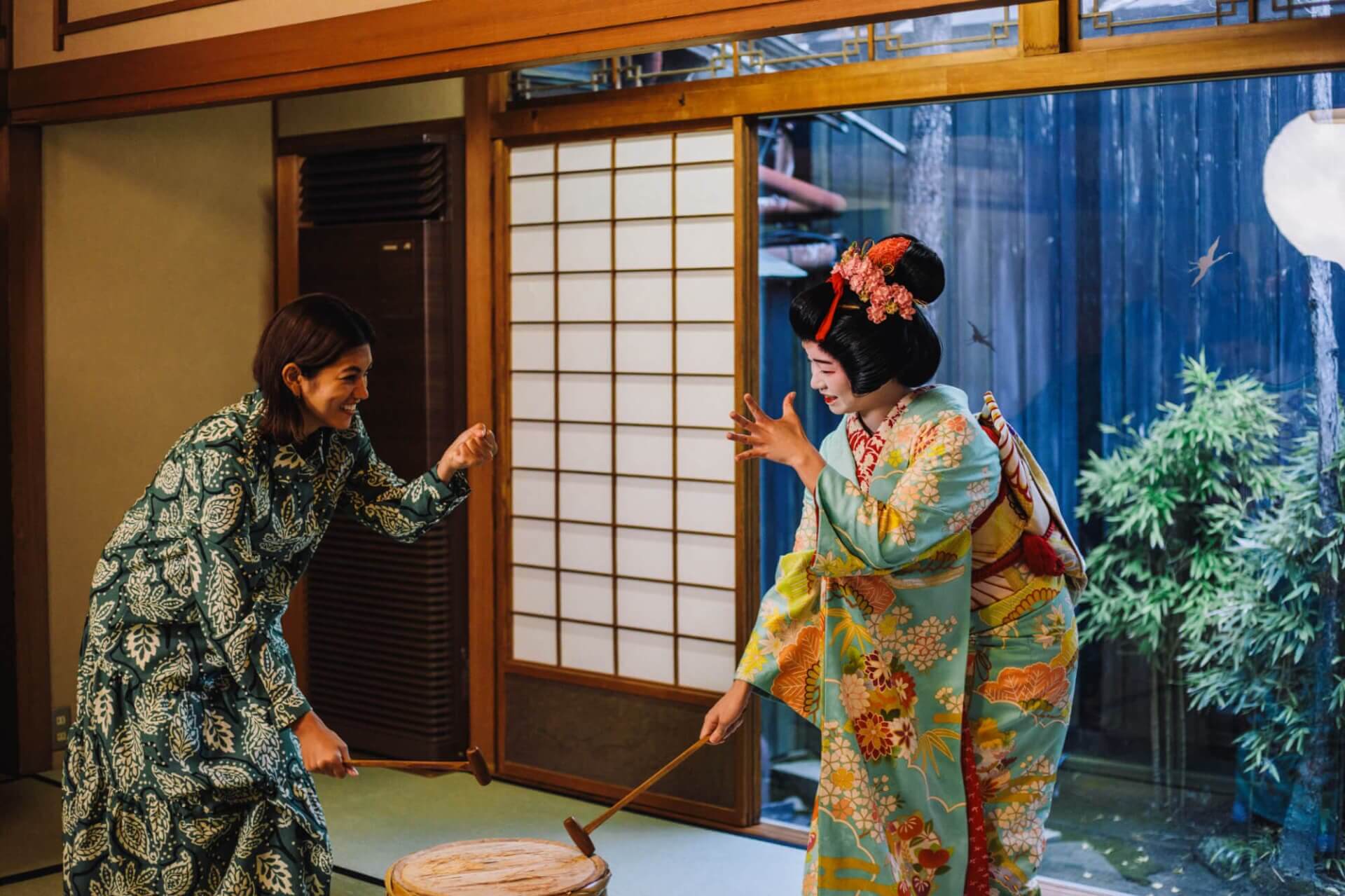
The history of Furumachi Geigi — geigi being the region’s word for “geisha” — goes back roughly two centuries, to the day of the samurai. Back then, Niigata was a lively area that drew many people as a port of call for the Kitamaebune trading ships, which traveled along the Sea of Japan coast to buy up local specialties and sell items brought in from elsewhere in Japan. Furumachi Geigi developed as entertainment for travelers in this social and commercial crossroads, with beautiful singing, dancing, shamisen music, and hospitality. At its height in the first half of the twentieth century, there were more than 300 geigi performers here, and they were considered on par with major geisha hubs like Kyoto and Tokyo. Though there may be fewer now than there once were, the Furumachi Geigi entertainers of Sado still embody the same spirit of traditional Japanese beauty and warm hospitality, delighting visitors from across Japan and around the world. Every September, the Furumachi Geigi come together for the Furumachi Niigata Odori: a must-see for fans of geisha entertainment, featuring a grand performance of impeccably polished singing, dancing, and shamisen music.

Episode 2

Uonuma Region

movie YouTube
Kaisando Hall at Saifukuji Temple

Kaisando Hall at Saifukuji Temple

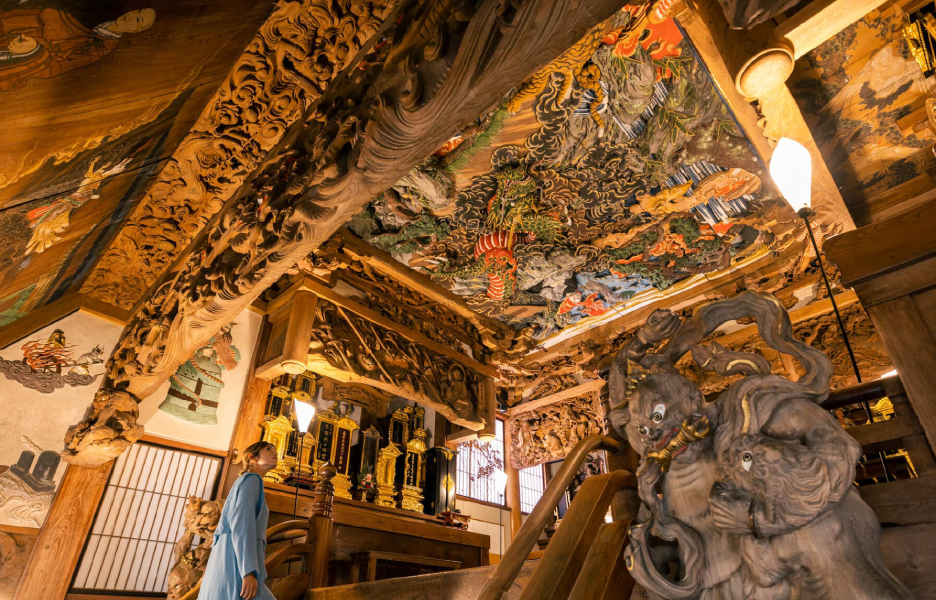
Saifukuji Temple is a Soto Zen Buddhist temple founded in 1534. The suspended ceiling of the Kaisando Hall, located next to the main hall, features a large sculpture by Ishikawa Uncho (1814–1883), a master woodcarver who worked in Echigo (present-day Niigata Prefecture) from the late 1840s onward, celebrated as the “Michelangelo of Japan.” The head priest at the time commissioned Ishikawa Uncho to create a sculpture based on an anecdote about Master Dogen, the founder of the Soto school of Zen Buddhism, inspired by his belief that Dogen’s teachings would lead people to happiness. The magnificent, elaborate carving adorning the ceiling combines a three-dimensional effect created through intricate openwork with vivid colors from mineral pigments. The sculpture, carved from a single piece of wood, features various animals that each exude a unique presence with striking beauty and dynamism, as though they might come to life at any moment. The level of meticulous detail, from the expression on the figure’s face to the leaves on the trees, the birds, and more, makes it easy to lose track of time as one explores its many nuances.

Sasayama Site

Sasayama Site

This archaeological site has been crucial in the modern-day understanding of the Jomon period (ca. 14,500–900 BCE), with the discovery of numerous artifacts, such as deep-bowl-shaped earthenware — including flame-style earthenware pieces dating back some 5,000 years, designated National Treasures — as well as stone tools and clay figurines. The flame-style earthenware pieces excavated here are so named because of their bold, intricately shaped rims, reminiscent of blazing flames. Even today, the remarkable artistic sensibility and advanced technical skills of the people of the Jomon period are apparent in these items. This historic site in Tokamachi lets visitors “travel back in time” to the Jomon period, surrounded by the lush natural environment. The archaeological site itself is now a park, featuring reconstructed pit dwellings from that era, which visitors can step inside. The earthenware pieces designated National Treasures are on display at the nearby Tokamachi City Museum.

Echigo-Tsumari Art Triennale

Echigo-Tsumari Art Triennale

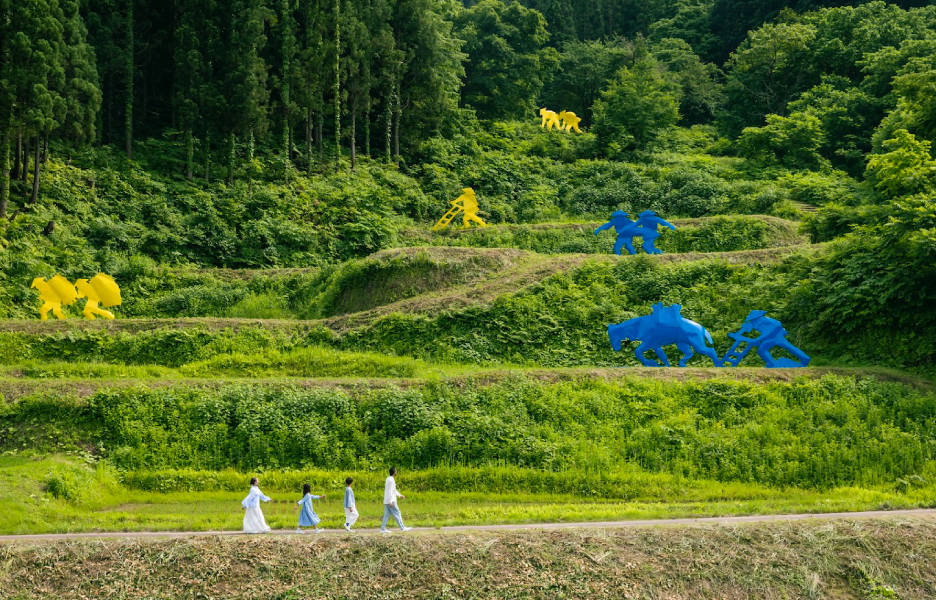
For more than two decades, the Echigo-Tsumari region (Tokamachi and Tsunan) has hosted what has come to be one of the world’s largest international art festivals. Being a triennale, the event is held every three years, using 760 square kilometers of rural landscapes and settlements as a space to display a wide variety of works by artists from around the world. Before each time the art festival is held, the artists involved visit the area to gain an intuitive understanding of its natural environment, culture, history, and people, to be able to produce wonderful works of art that could only exist here. This sense of place extends to the organization of the event and the explanations of the works, which all handled by people who live in the area, making meeting and talking with the people involved another major draw. Some of these art installations even offer overnight stays as an option, for a unique way to spend a night in the area.

Kimono Culture

Kimono Culture

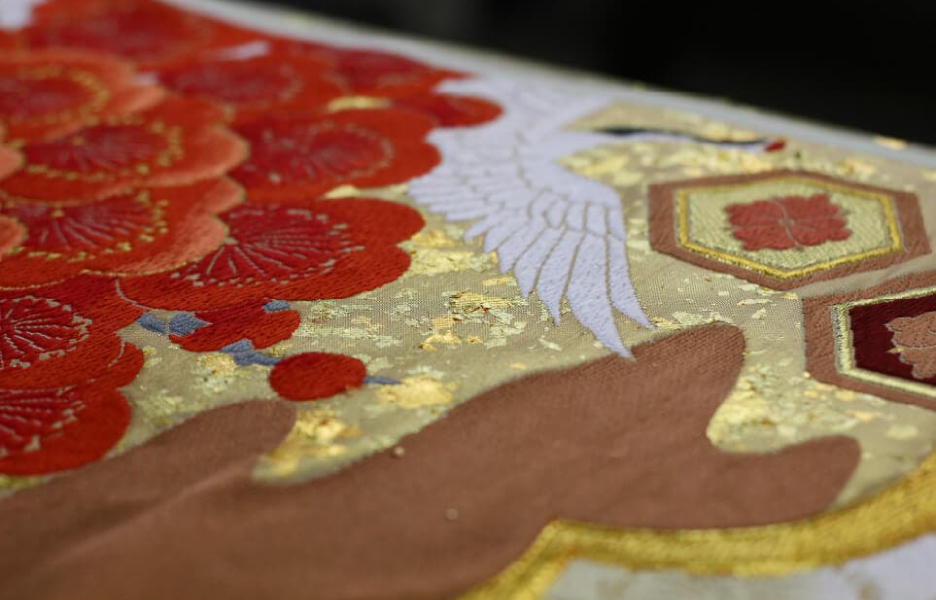
The prefecture has long had a thriving textile industry, which originally developed due to a natural environment characterized by heavy snowfall, high humidity, and abundant high-quality water. This all proved ideal for cultivating ramie (also known as the Chinese silk plant), the raw material used in ramie textiles. Beginning with Echigo-fu, a traditional ramie textile dating back to the medieval period, the region’s weaving industry has evolved over time to produce a wide variety of textiles. Akashi Chijimi, a lightweight silk crepe that was hugely popular from the late nineteenth to early twentieth centuries, laid the foundation for the Tokamachi textile industry. While kimonos are generally produced through a division-of-labor system, using different regions and workshops for each stage of the production process, the area’s heavy snowfalls made travel to and from other regions difficult, leading workshops here to adopt fully integrated production processes. Every May, kimono-themed events offer visitors a chance to wear kimonos, tour textile workshops, and experience the region’s rich kimono culture.

Dishes Made with Wild Vegetables

Dishes Made with Wild Vegetables

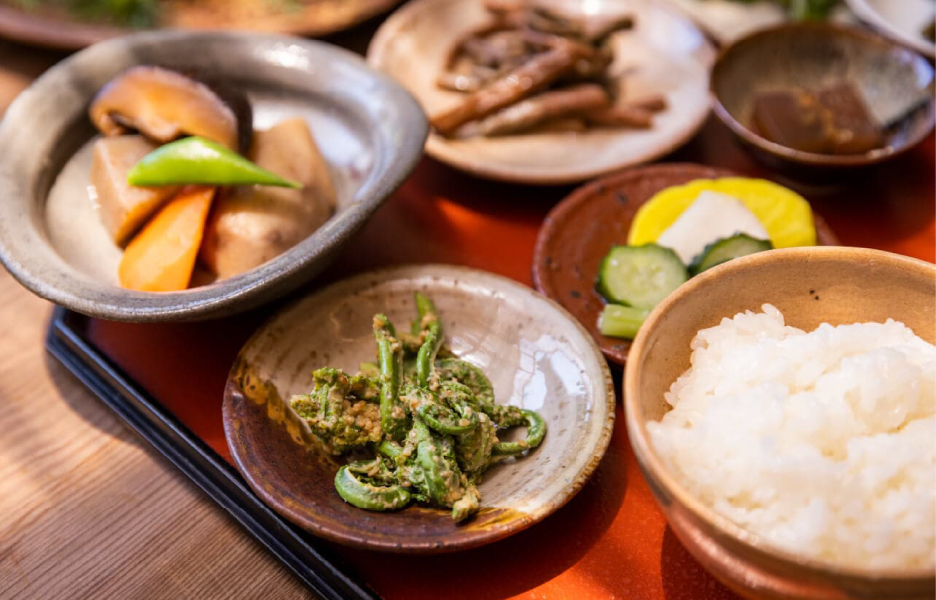
The food culture of the Uonuma area is rich in seasonal ingredients, with both wild and domesticated vegetables to go along with locally grown rice. In the traditional satoyama environment of rural villages and human-tended natural forests, gathering wild vegetables to eat is a familiar part of everyday life. They are regarded as a gift from nature, found mainly in places like this that experience heavy snowfalls. The arrival of spring is marked not only by the melting snow, but by wild vegetables like tender fukinoto butterbur sprouts and taranome angelica tree shoots. Early summer offers textures from crisp and crunchy to smooth and sticky, while autumn brings a broad variety of mushrooms with savory flavors and aromas. Wild vegetables and mushrooms represent an opportunity to directly experience the pure vitality of the natural world through all four seasons. For visitors interested in trying these, Ubusuna House in Tokamachi is not only an art installation for the Echigo-Tsumari Art Triennale, but also a restaurant serving wild vegetable dishes hand-prepared by local cooks.

Episode 3

Joetsu Region

movie YouTube
Cherry Blossom Festival at Takada Castle Site Park

Cherry Blossom Festival at Takada Castle Site Park

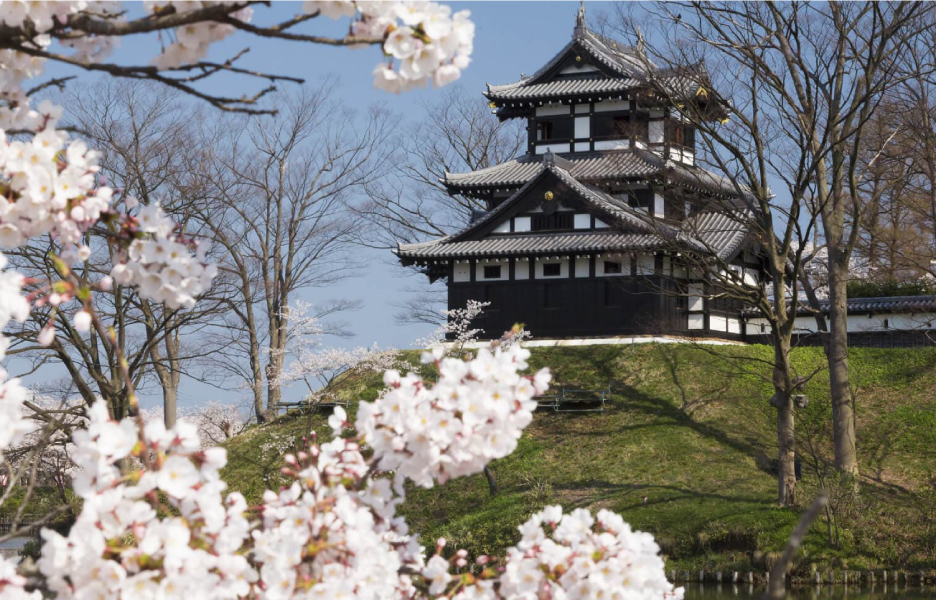
Takada Castle Site Park covers the site of Takada Castle, which was built in 1614 for Matsudaira Tadateru, the sixth son of Tokugawa Ieyasu (founder of the Tokugawa shogunate). The park became famous for its cherry blossoms after 2,200 cherry trees were planted there in 1909, and today, roughly 4,000 cherry trees line the expansive inner and outer moats around the park and the surrounding areas. Most of these trees are Somei Yoshino, Japan's most popular cherry blossom variety. The Cherry Blossom Festival is held from early to mid April when the cherry trees are in bloom, attracting many visitors from across the country. The cherry blossoms fill the area with pink, creating a beautiful contrast with the white walls of the castle’s three-story turret, which was rebuilt in 1993. Nighttime brings magical scenery that is not to be missed, with cherry blossoms lit by some 3,000 paper lanterns.

Takada Sekaikan Theater

Takada Sekaikan Theater

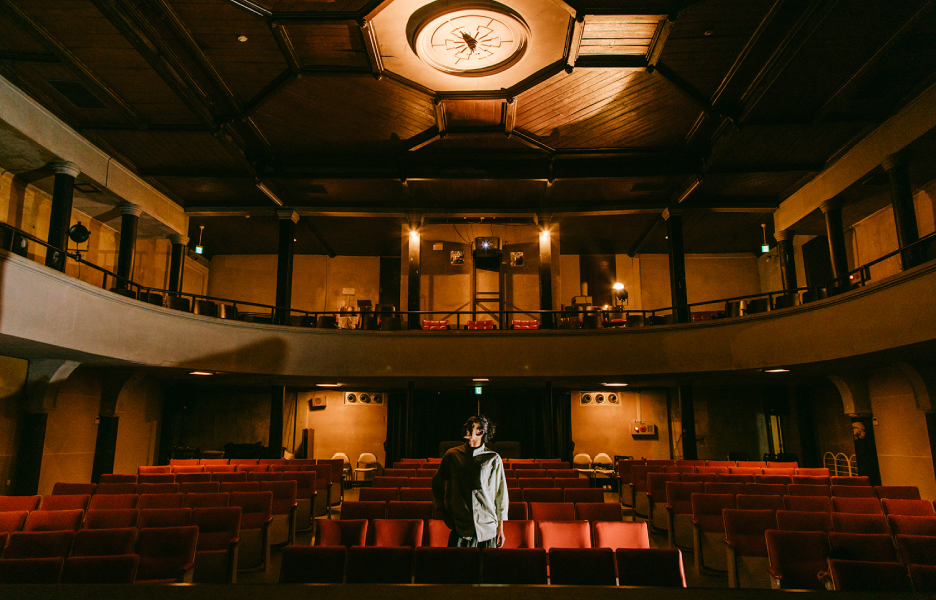
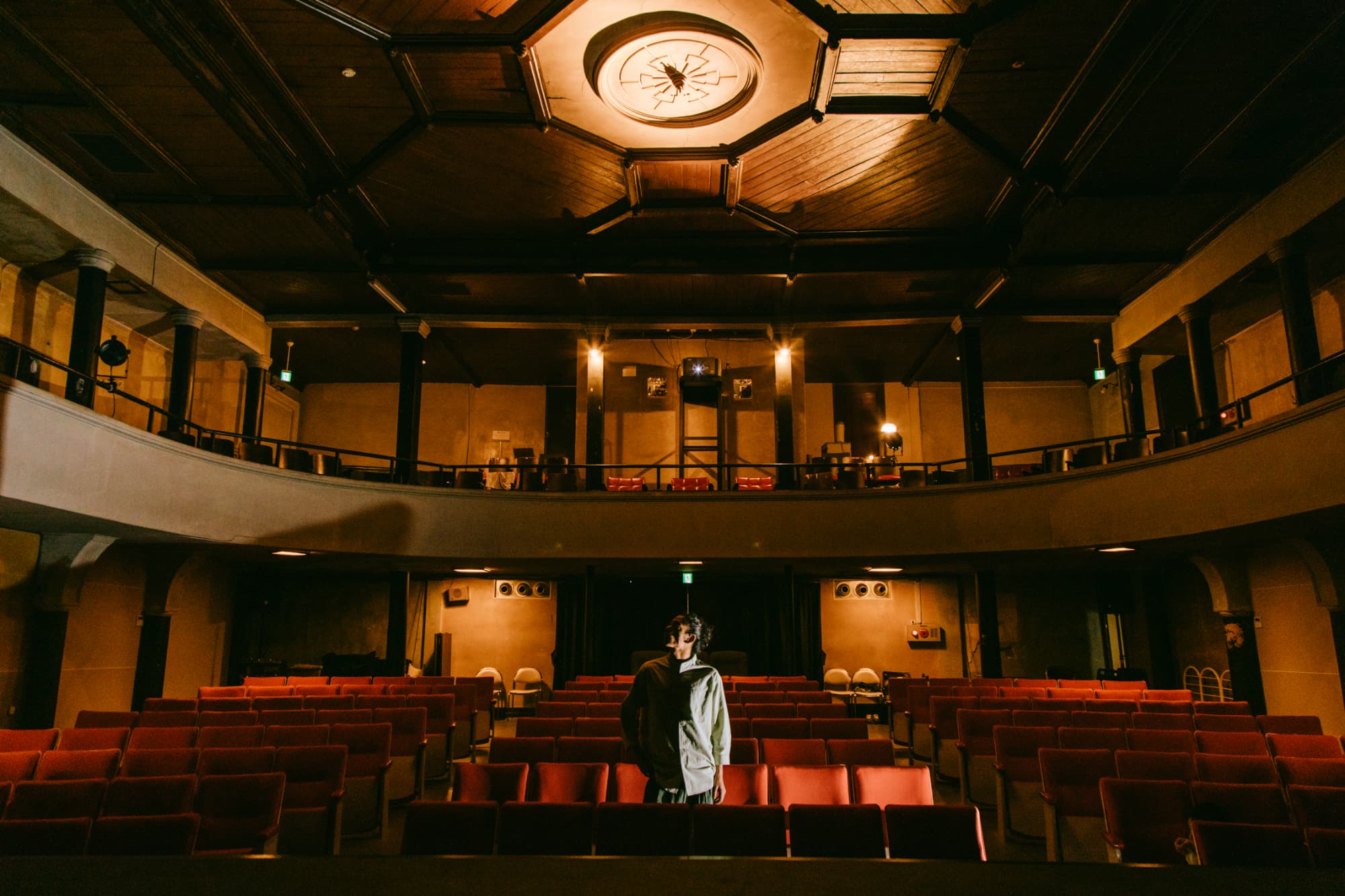
One of the oldest remaining movie theaters anywhere in Japan, having originally opened in 1911 as a playhouse before it was converted to a movie theater a few years later. It is also one of only a handful of pseudo-Western-style buildings that still stand in Takada. Setting foot inside the building feels like traveling back in time: the interior has rich red seats, an intricately detailed wooden beam ceiling, Doric columns, and a projection room that has been in continuous regular use for many decades. The theater is designated both a Registered Tangible Cultural Property of Japan and Heritage of Industrial Modernization, and it is beloved by fans of both cinema and architecture. It is still in use today as a movie theater, with screenings of everything from new releases to old classics; between movies, visitors are welcome to tour the building. It can be beneficial to check the showtime and screening schedule before visiting, as well.

Jade

Jade

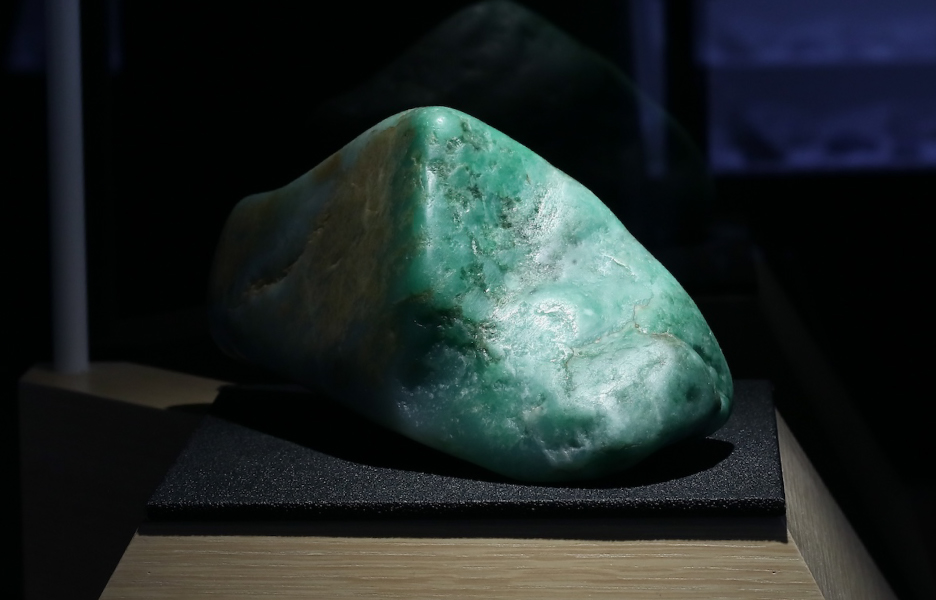
A gemstone that is particularly popular in East Asia. In Japan, it has been highly prized since ancient times, traditionally crafted into large beads (taishu), comma-shaped beads (magatama), and other items. Jade’s rarity is due to the fact that it forms only in subduction zones, where one tectonic plate (the massive slabs of rock that form the Earth’s crust) sinks beneath another, as seen in the Japanese archipelago. Itoigawa jade was formed about 520 million years ago — believed to make it the oldest jade in the world — and Itoigawa leads Japan’s jade-producing regions in both quality and quantity. Jadeite was selected as Japan’s national stone in September 2016, and was designated the official stone of Niigata Prefecture in November 2022. The Kotakigawa Jade Gorge offers magnificent scenery featuring jade boulders and the limestone cliffs of Mt. Myojo. Jade carried a short distance downstream from the Jade Gorge eventually washes ashore on the Jade Coast, where many enthusiasts gather to collect it.

Sasami Sushi

Sasami Sushi

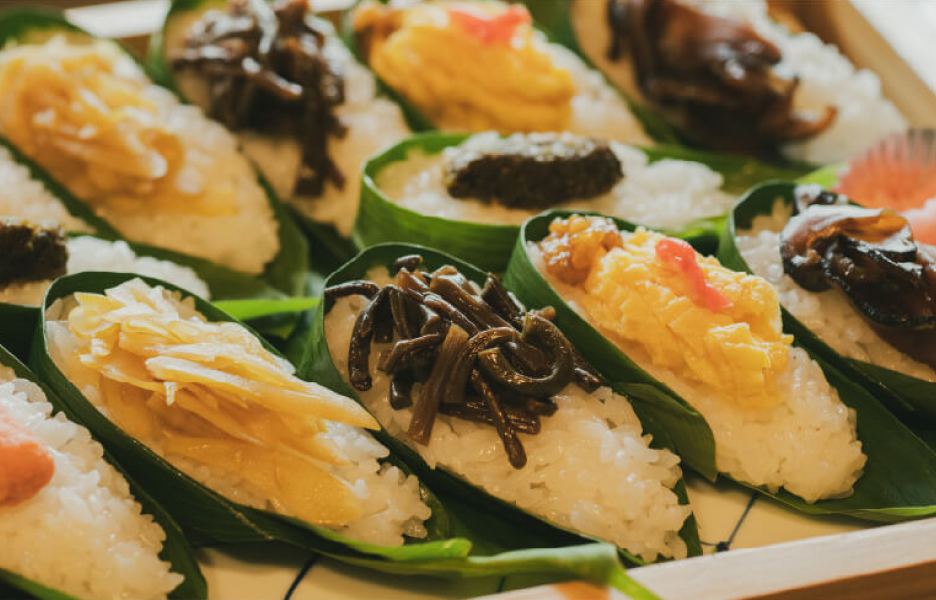
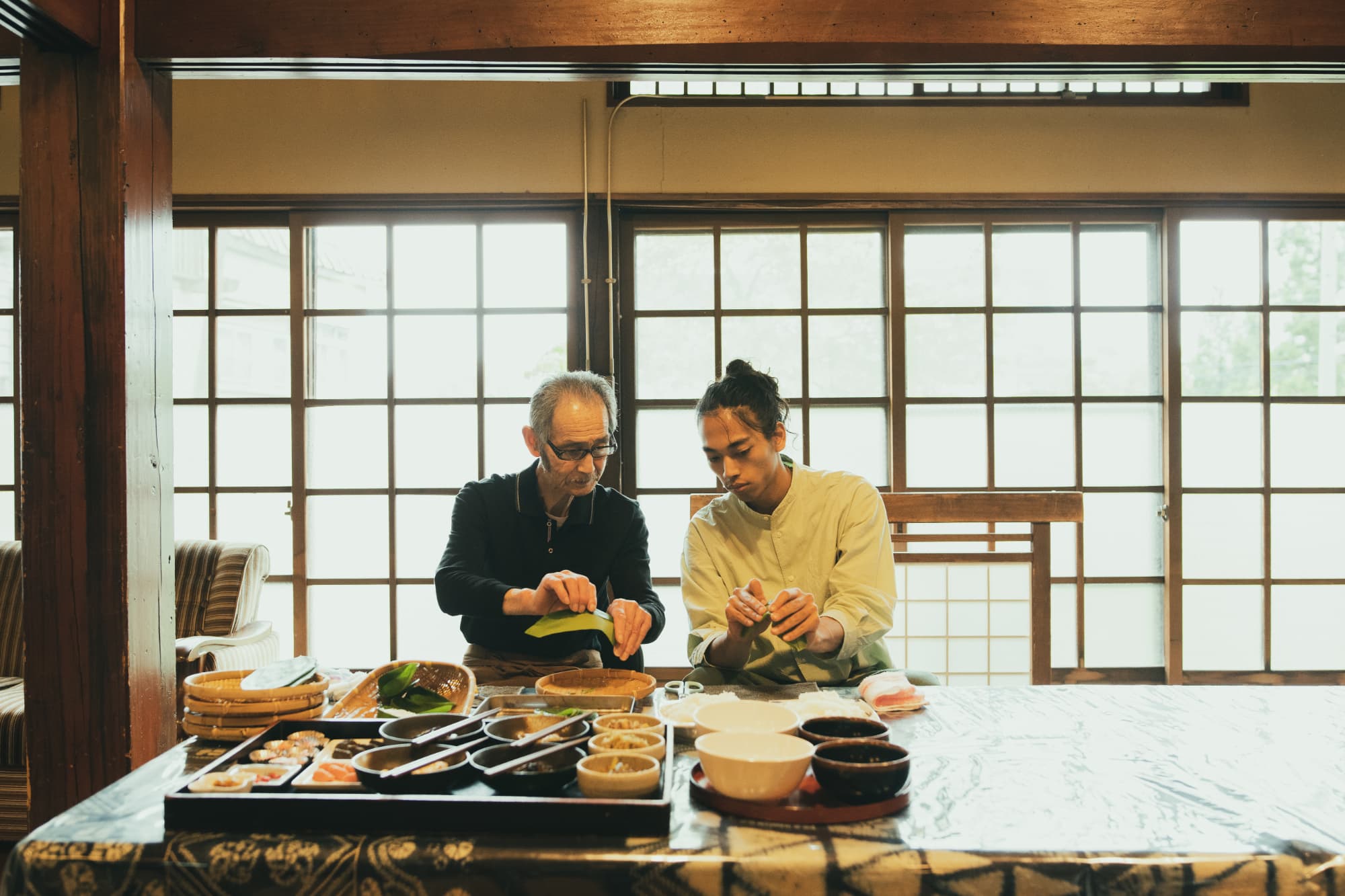
The “mi” in “sasami sushi” comes from the word for a winnowing basket, a scoop-shaped woven basket used for tasks such as transporting crops or gathering fallen leaves. Sasami sushi is a traditional local specialty of the Joetsu and Myoko areas, made by folding bamboo leaves (sasa) into a shape reminiscent of a winnowing basket, then filling it with sushi rice seasoned with vinegar, salt, and sugar, and topping the rice with flavorful, colorful ingredients. Legend has it that during the Warring States period (1467–1568), it was used as a portable foodstuff by the army of warlord Uesugi Kenshin (1530–1578), who hailed from present-day Niigata. Over time, this came to be a dish served at large gatherings in the Joetsu region, such as the summer Obon festival and other local festivals. Ordinarily, sasami sushi is topped with local ingredients such as bamboo shoot, fiddlehead fern, and shiitake mushroom. These flavorful toppings come together with the seasoned sushi rice and subtle aroma of the bamboo leaves, for a well-balanced result. The Myoko area has a number of places where visitors can learn to make sasami sushi, with workshops taught by locals.

Akakura Onsen and Naena Falls

Akakura Onsen and Naena Falls

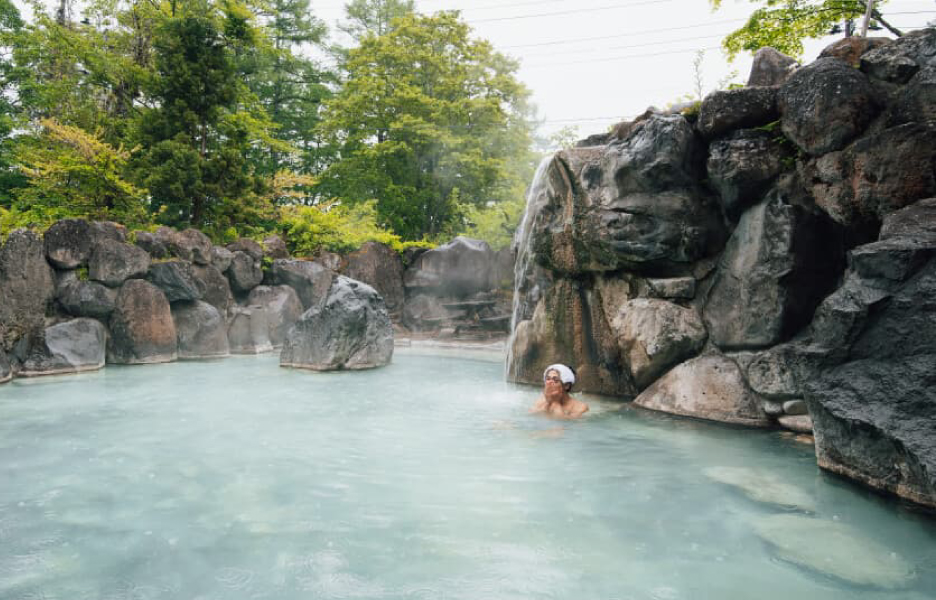
Akakura Onsen is an internationally popular ski resort where visitors can enjoy both ski slopes and hot spring baths. The hot spring was first opened in 1816, late in Japan’s Edo period (1603–1868), during which it flourished as a stop for travelers along the Hokkoku Kaido road, and as a destination for visitors seeking the purported medicinal benefits of its sulfate and hydrogen carbonate springs. Later, during the Meiji and Taisho eras (1868–1926), the area gradually developed as a summer retreat and a high-end vacation home destination, in addition to being a hot spring resort. It has been beloved over the years by many literary figures and celebrities, including author and poet Ozaki Koyo (1868–1903), poet Yosano Akiko (1878–1942), and writer Arishima Takeo (1878–1923). Naena Falls, located about a 20-minute drive from Akakura Onsen, was selected as one of Japan’s 100 Finest Waterfalls. This powerful waterfall creates a spectacular spray as the water drops 55 meters. The roar of the water echoes through the neighboring forest, earning it the nickname “Earthquake Falls” for its rumbling sound.

Episode 4

Shibata & Murakami Region

movie YouTube
Murakami Salmon

Murakami Salmon

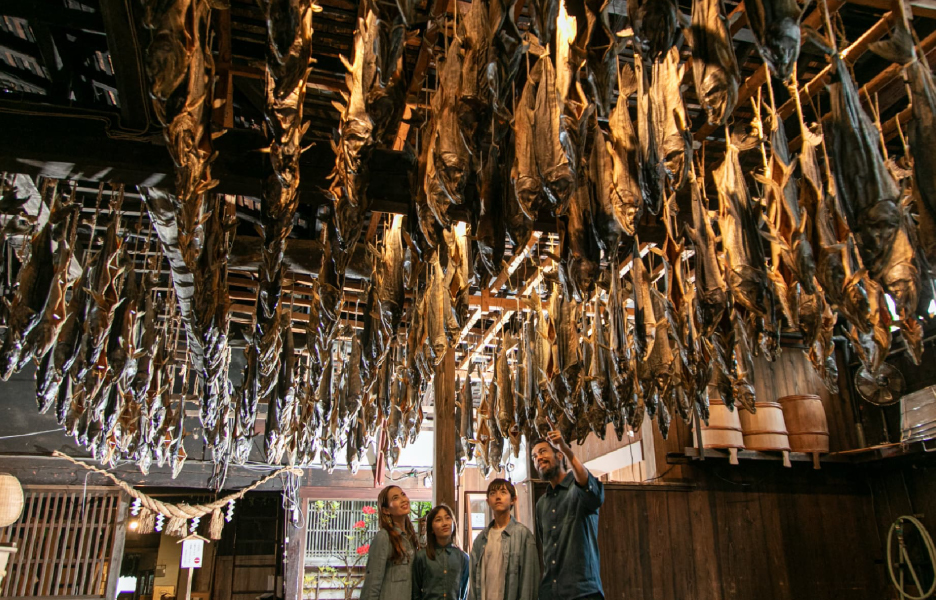
The Miomote River and other rivers running through Murakami have seen salmon migrating upstream since time immemorial: records indicate that salmon were being presented to the imperial court in Kyoto during the Heian period (794–1185). In the early nineteenth century, salmon were guided into man-made side channels to spawn, resulting in the world’s first successful salmon propagation system. In Murakami, salmon is called iyoboya (“the fish among fish”), and the people here use over a hundred cooking methods to enjoy every part of the fish, with nothing going to waste. Murakami is also famous for shiobiki salmon, a traditional salt-cured, air-dried salmon. Winter here brings the iconic sight of shiobiki salmon hanging under the eaves of houses, swaying in the cold winds that blow in from the Sea of Japan. Other features of Murakami’s salmon culture that are still practiced today include traditional fishing methods, such as iguri-ami fishing (driving migrating salmon into a large net stretched between two small boats) and kodo fishing (setting up a wooden fence in the river to guide and catch migrating salmon), as well as Kenkonsai (a Shinto ritual to honor the spirits of salmon, express gratitude, and pray for bountiful catches).

Murakami Grand Festival

Murakami Grand Festival

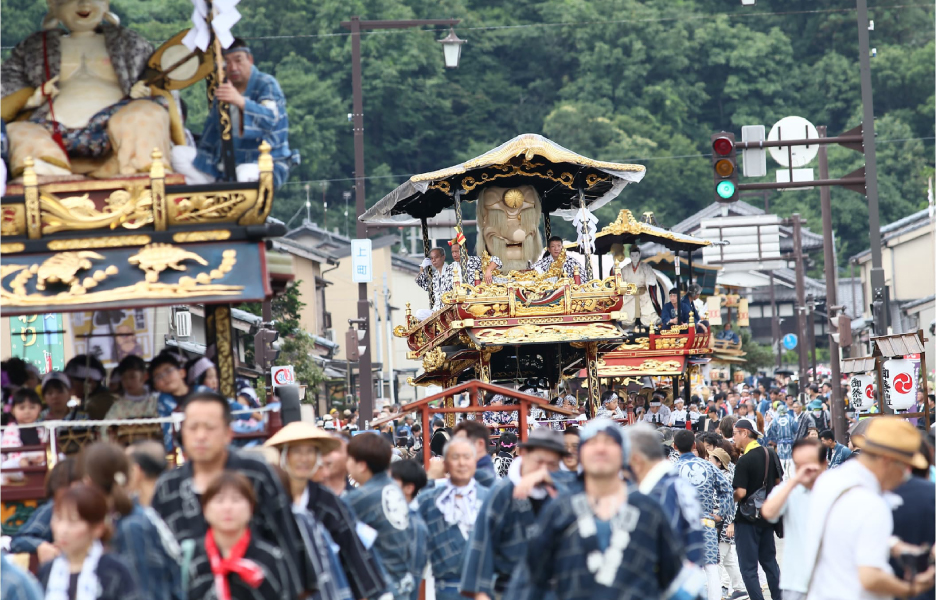
In 2018, the Murakami Festival Yatai Procession was designated an Important Intangible Folk Cultural Property of Japan, and in 2025, it was inscribed on the UNESCO Intangible World Cultural Heritage list, as part of Yama, Hoko, and Yatai Processions. The festival is believed to have first been held in 1633, when Lord Nori Naoyori (1577–1639) of the Murakami Domain had the main hall of Senami Haguro Shrine relocated to its current location. The eve of the festival arrives on July 6 of each year, with the main festival on July 7 bringing the highlight of the event: the Oshagiri float procession. The Oshagiri are yatai floats traditionally passed down from generation to generation within each neighborhood, and the morning of the main festival brings a procession of all nineteen Oshagiri floats through the streets. The festival is a representation of the love that people feel for their hometown and one another — in fact, many people who grew up in Murakami will make the trip home for it each year.

Watanabe Family Residence

Watanabe Family Residence

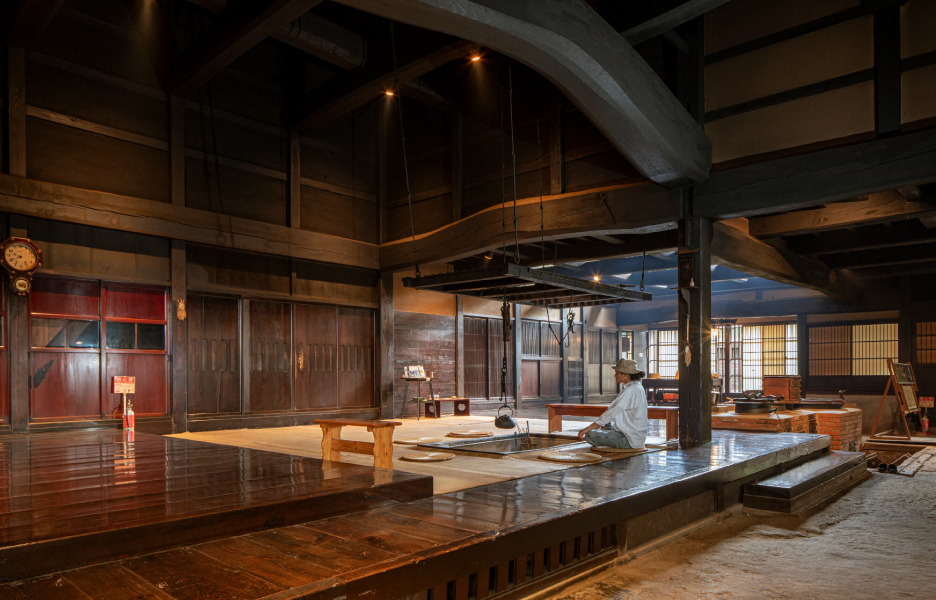
The Watanabe family were wealthy merchants, major landowners, and village group heads, who accumulated a fortune during the Edo period (1603–1868) through coastal shipping, sake brewing, and agricultural land development. They took advantage of their location in a post town along the Yonezawa Kaido, a historic route connecting Wakamatsu in Mutsu Province (present-day Aizuwakamatsu, Fukushima) and Yonezawa in Dewa Province (present-day Yonezawa, Yamagata). The 10,000-square-meter estate features the main house (designated a National Cultural Property), six storehouses, and a garden (designated a National Place of Scenic Beauty). The main house has a footprint of about 1,650 square meters. Its spacious earthen-floored area, running north to south, was used for loading and unloading goods and for business talks. One distinctive feature is the unique roofing structure of some buildings: their roofs are covered with thin overlapping cedar shingles, held in place by stones. Just stepping onto the grounds offers a firsthand view of the elegant architecture and garden that reflect the family’s prosperity during its heyday.

Murakami Carved Lacquerware (Murakami Kibori Tsuishu)

Murakami Carved Lacquerware (Murakami Kibori Tsuishu)

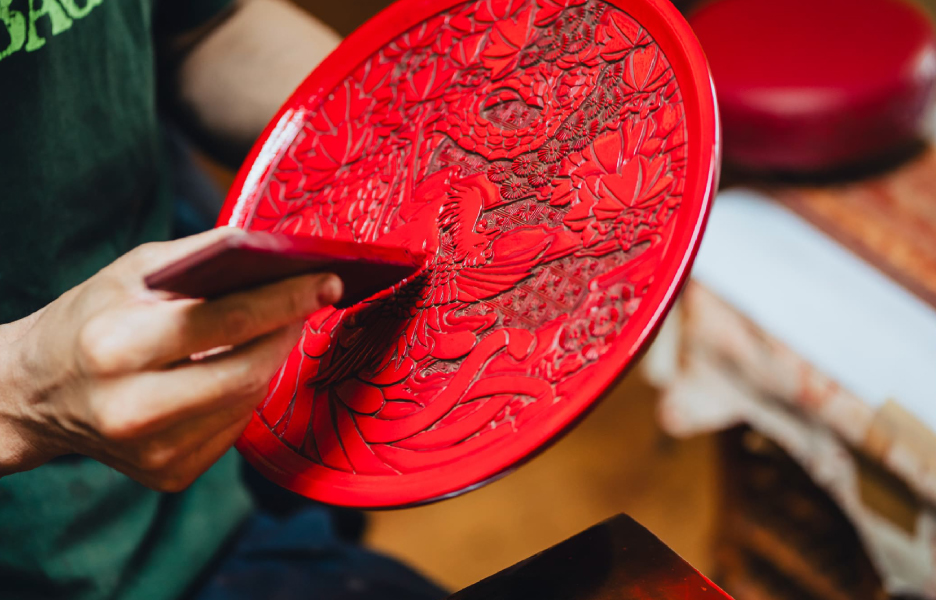
A traditional craft from Murakami involving intricate carvings on a wooden base, with multiple layers of natural lacquer. Murakami Carved Lacquerware is said to be the only type of lacquerware made through a process in which repeated coats of natural lacquer are polished flat with powdered wood and stone, to create a smooth matte finish. Murakami had long been a major producer of high-quality natural lacquer, leading to the establishment of these techniques during the Edo period (1603–1868). The traditional techniques to produce this type of lacquerware were designated an Intangible Cultural Property of Niigata Prefecture in 1955, and in 1976, it was designated a Traditional Craft of Japan under the name of Murakami Carved Lacquerware (Murakami Kibori Tsuishu) by the Minister of International Trade and Industry (now the Minister of Economy, Trade and Industry). Today, Murakami Carved Lacquerware products range from traditional items such as decorative trays, vases, furniture, and tea ceremony utensils, to small items for everyday use such as sake sets and hand mirrors. With time and use, the luster on these lacquerware pieces gradually deepens, giving them a tastefully refined feel.

Shimizuen Garden

Shimizuen Garden

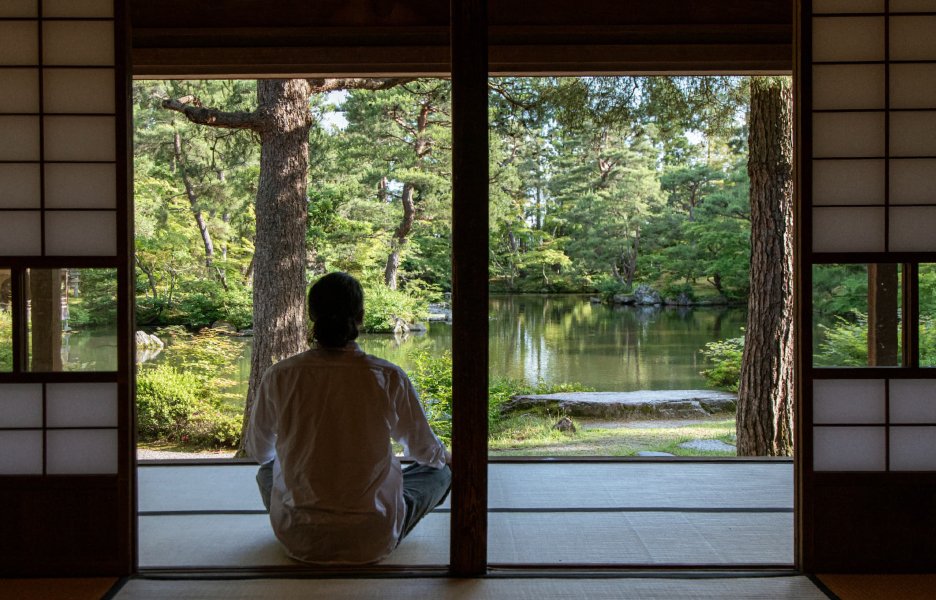
The site of the secondary residence (villa) of the Mizoguchi family, who governed the area around what is now Shibata, during the Edo period (1603–1868). The traditional daimyo strolling garden here is said to have incorporated the Eight Views of Omi, the eight iconic scenic spots around Lake Biwa. At the center of the vast grounds is a pond designed in the shape of the cursive Chinese character for "water," which is surrounded by artificial hills, small islands, and teahouses, creating a series of changing views as visitors stroll through the garden. The shoin (formal reception hall), built to overlook the garden, features two adjoining tatami rooms that open wide onto the pond; Noh plays were once performed here. Visitors can sit in either of these rooms, just as the lord once did, to fully enjoy the picturesque scenery that lies before them. The garden is most popular in autumn, when the trees take on brilliant colors, and special evening illumination events are held during this season.

Episode 5

Nagaoka Region

movie YouTube
The Historic Settaya Brewing District

The Historic Settaya Brewing District

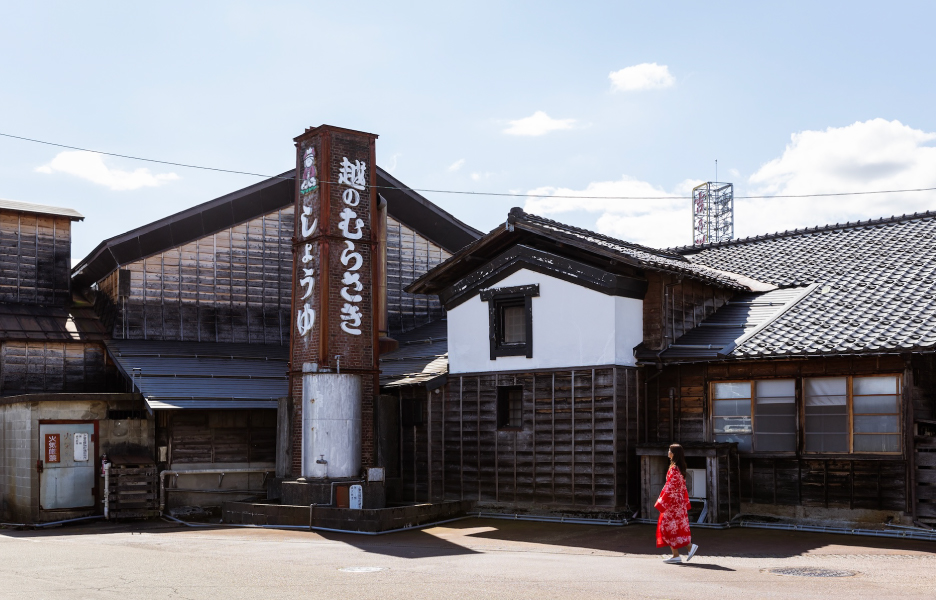
The Settaya area of Nagaoka City has long been home to a thriving brewing culture. The excellent water quality led to a flourishing brewing industry, producing items such as miso, soy sauce, and sake. During the Edo period (1603–1868), this industry developed even further thanks to water transport on the Shinano River. Today, six producers of sake, miso, and soy sauce are located within an area about 500 meters squared, and a stroll through the neighborhood is accompanied by the scent of koji rice malt and soy sauce wafting through the air. This area escaped major damage during the 1945 Nagaoka air raid, and still retains buildings dating from the late Edo period through the Meiji and Taisho eras (1868–1926), including many Registered Tangible Cultural Properties of Japan. The most iconic of these buildings in the Settaya area is the kote-e-gura (“trowel picture storehouse”) at the former Kina Saffron Liqueur Brewery. This storehouse features decorative plaster reliefs crafted with trowels, depicting seventeen different animals (including animals from the twelve zodiac signs and mythological creatures) and nine different plants in brilliant colors, captivating visitors with their stunning beauty.

Ayako-mai Folk Performance

Ayako-mai Folk Performance

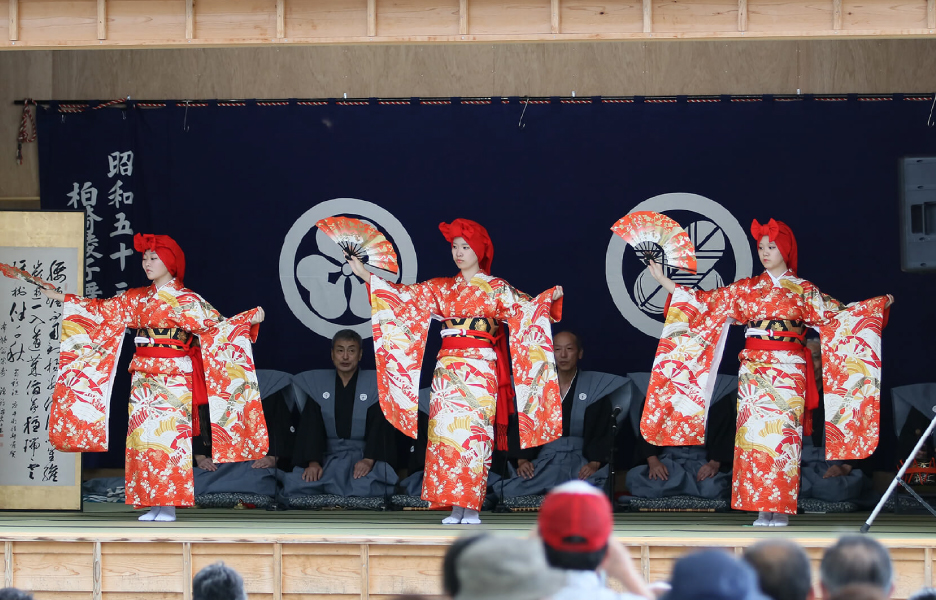
This traditional folk performing art has been a part of the local culture of the Onadani area of Kashiwazaki for some five centuries, and in 1976, it was designated an Important Intangible Folk Cultural Property of Japan. “Ayako-mai” refers collectively to the Koutaodori dance performed by women, and the Hayashimai dance and Kyogen comedic stage shows performed by men. Today, the villages of Takanda and Shimono remain the stewards of this tradition. These folk performances are considered particularly precious, as they still retain traces of the early years of kabuki: there are strong elements of women’s kabuki (which was banned early on in kabuki’s history, in 1629), as well as Kyogen plays from Wakashu-Kabuki (kabuki performed by boys who had not yet come of age), which appeared in 1629 after women’s kabuki was banned, but lasted only 25 years until it too was banned. In 2022, Ayako-mai was one of a total of 41 traditional dances from throughout Japan collectively inscribed on the UNESCO Intangible Cultural Heritage list, as part of Furyu-Odori, Ritual Dances Imbued with People’s Hopes and Prayers.

Ojiya Chijimi Fabric and Hegi Soba Noodles

Ojiya Chijimi Fabric and Hegi Soba Noodles

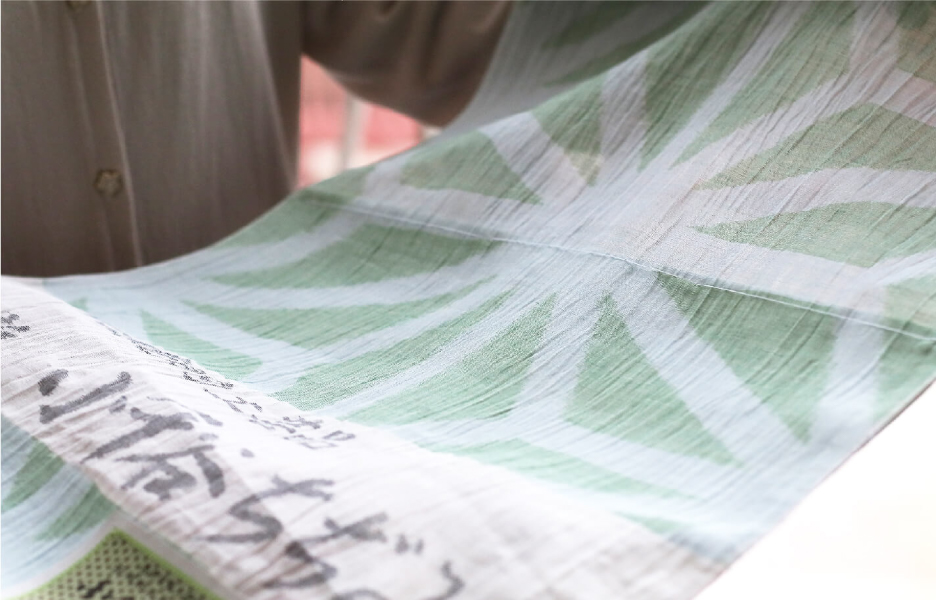
Ojiya has long been known as a major center for textile production, with its best-known textile being Ojiya Chijimi, a premium ramie fabric traditionally used for summer kimonos. The fabric is squeezed and crumpled by hand in hot water, then dried, creating a characteristic fine crepe texture known as shibo for a light, cool, and comfortable fabric that does not cling to skin. The yarn for Ojiya Chijimi is coated with a natural paste made from a type of seaweed called funori, making it stronger, smoother, and easier to weave. Funori seaweed is also used as a binding agent for Hegi Soba noodles, a local specialty. These noodles are known for their smooth feel and firm chew, and are named for the way that they are customarily served on a wooden tray called a hegi. Ojiya Chijimi fabric and Hegi Soba noodles are familiar parts of the local culture, and they continue to be passed down through generations as traditions deeply rooted in the region.

Nagaoka Fireworks Festival

Nagaoka Fireworks Festival

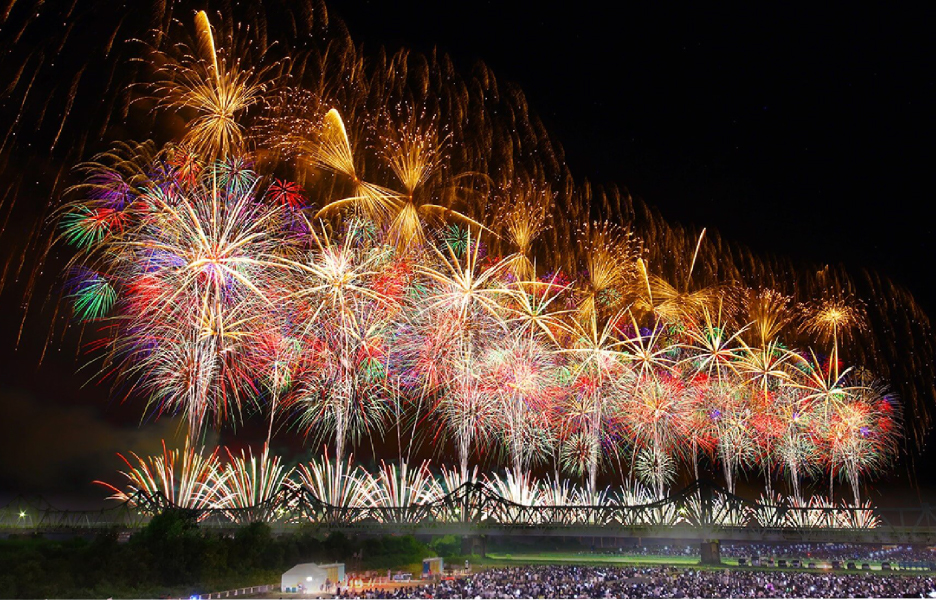
Considered one of the “three great fireworks festivals of Japan.” In 2005, the show gained a new highlight: phoenix-shaped fireworks, added as a prayer toward recovery from the catastrophic Chuetsu Earthquake of October 2024. These come alongside Nagaoka’s super-wide rapid-fire fireworks that light up the sky, launched along a path that runs roughly two kilometers long. Nagaoka’s difficult history includes more than just the earthquake: on August 1, 1945, it was the target of an air raid. This is why, at 10:30 p.m. on August 1 — the time when the bombings began — the city fires off three “white chrysanthemum” fireworks in solemn commemoration, separately from the fireworks festival itself, as temples throughout Nagaoka ring their bells in memorial. While the Nagaoka Fireworks Festival draws many as a fun nighttime event, this spirit of looking back to honor the dead and those who helped rebuild, with a prayer for lasting peace, remains a fundamental part of the event to this day.

Nishikigoi Carp

Nishikigoi Carp

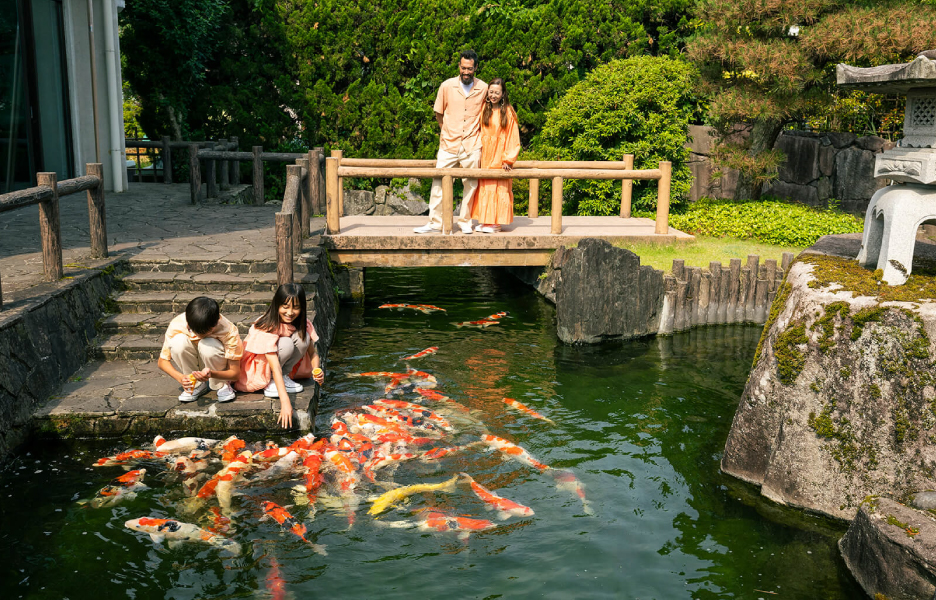
Some of the prefecture’s heaviest snowfalls can be found in the Yamakoshi area of Nagaoka, and in Ojiya. The local terrain here has been shaped by the way that the melting snow of early spring causes groundwater levels to rise, leading in turn to landslides over the years. To take advantage of this, the people of the region have carved open the mountain slopes and converted them to terraced rice fields and terraced ponds. They also built terraced ponds at the top level of the slopes, as a way to warm the cold water from the melting snow, and make a place to raise carp for food. Some of these carp, though, experienced spontaneous mutations that gave them subtle red markings. These colored carp rose to prominence, first in Japan as “the unusual carp of Niigata,” and eventually internationally, where they are now known worldwide as Nishikigoi, or simply “koi fish.” The surrounding landscape, with its many terraced rice fields and ponds, is quintessentially Japanese scenery, and the sight of these nishikigoi carp in this environment encapsulates rural Japanese life: graceful beauty that developed within a harsh natural environment.